Moisture Beyond the Wet Spot
A broken household pipe can release water indoors even when rain and drainage are not involved. Conditions differ across the state, from rural properties to commercial spaces. These statewide pathways explain why removal may be needed; they do not establish a particular address’s flood exposure.
Tennessee settings span Great Smoky Mountains National Park, the Cumberland River Bicentennial Trail, and the Butler and Watauga Valley Heritage Museum. These verified places help show the page’s statewide reach. They are geographic context, not evidence that nearby properties have flooded.
A wet floor in a Tennessee home or small shop may be the first sign of water intrusion. Emergency extraction removes standing water; damp materials can still need assessment and drying afterward.
Pumps and Wet Vacuums
- WATER SOURCE
- The assessor can use the event timeline and your room list to understand where the visit should begin.
- SITE REVIEW
- Loose finishes, overhead changes, or water near equipment can affect which spaces are safe to enter.
- SAFE ENTRY
- The amount pooled and the room layout help shape the equipment choice for water removal.
- WORK SCOPE
- The agreed work area defines which accessible surfaces the extraction visit will address.
- WATER REMOVAL
- The licensed pros we connect you with can check how submerged debris is positioned before planning its removal.
- DRYING PHASE
- Tennessee’s usual flood season includes winter and early spring, while heavy rain and thunderstorms can bring water concerns at other times. Tell the assessor whether the event followed recent weather or another known cause; the season alone cannot identify the source.
- SOURCE REPAIR
- an estimated $250–$1,300
Checking Materials After Extraction
Water damage restoration covers a broader response to a water incident. Extraction is the part that removes pooled water, so the terms can appear together in a work plan. Repairs, contaminated-water cleanup, and rebuilding may involve separate work. Compare the work description with the equipment’s stated task. Extraction means collecting pooled water; drying equipment addresses moisture after that removal. Ask which task each listed machine performs. A machine’s shape or sound alone does not show what part of the work it handles.
Visible Water and Damp Materials
The visit starts with a short account of the event and a walk-through of the affected property. The assessor notes visible pools, surfaces, entry routes, and safety concerns. That review helps define the proposed work area. In a Tennessee home or small business, limited access or a possible contamination concern can change what removal includes.
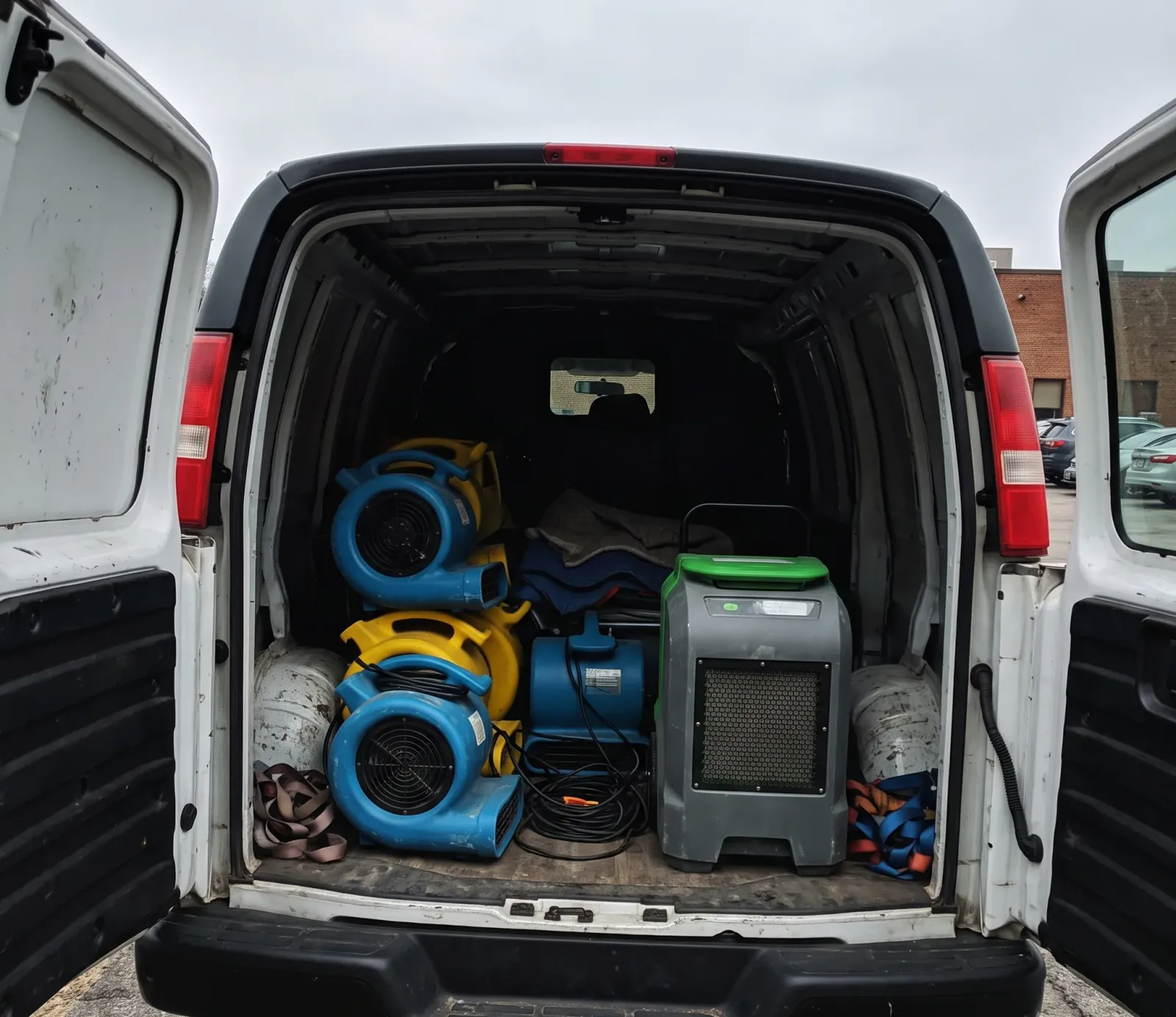
Once the work area is settled, the pros we connect you with use extraction equipment suited to the collection and room layout. Pumps can shift larger pools, while wet vacuums collect water in tighter or shallower areas. They work through the agreed spaces, removing pooled water from accessible surfaces. Source repair and other cleanup remain separate tasks.
When water sits on an open, reachable surface, removal may fit one appointment. A moisture check can reveal damp materials that need later drying. Ask the pros we connect you with to explain what was removed and what follow-up remains. Tell the licensed pros we connect you with which areas still have standing water when you call.
WHEN PUMPING ENDS, LOOK FOR MOISTURE THAT REMAINS
| Room Use |
Standing Water Removal |
|---|
| Visible water across interior floors | Contaminant scope disclosure |
| Water seeps into cleared floor areas again | Electrical hazards noted |
| Puddles continuing through distant interior spaces | Extract water; arrange follow-up drying |
PHOTO LOGKeep copies of estimates and invoices so the stated work can be compared with the services described. The state lists specialty classifications for water or soil remediation and mold remediation, but those do not show that extraction alone requires either. Ask that the invoice describe the removal work and identify any separate construction or remediation scope.
Drying Steps After Water Removal
If pooled water is left in place, it can move into adjoining rooms or beneath stored items. That can widen the area affected and make later access harder. Once standing water is removed, separate assessment may identify moisture in materials; repair needs depend on what the intrusion reached.
Water Context Near Hatchie, Hiwassee and Cross Creeks
If a shutoff is clearly labeled and reachable from a dry area, you may turn it off. Keep people away from wet rooms, especially where wiring or structural damage may be involved. Take pictures only from a safe spot. Leave pooled-water removal and any uncertain hazard assessment to qualified help.
When the Drying Work Begins
Water removal is a practical nuisance; entering an unsafe area can turn it into a household hazard. In Tennessee, keep people and pets back if water may have reached electrical systems or if floors, ceilings, or walls look unstable. Tell the pros we connect you with about sewage, chemicals, or damage concerns before they assess the work area. Wait for qualified guidance before going in.
Which Tools Can Clear Pooled Water?
A small wet area and a water-filled lower level may call for different setups; ask the pros we connect you with to explain their written scope.This Tennessee guide covers standing-water removal; no verified local price band is available. Area, water volume, access, and requested work shape the estimate. The estimate should make clear whether the request covers standing water removal alone. Ask the pros we connect you with about any visit charge and confirm exact tasks in writing.Open the pricing guide to compare cost factors behind different extraction needs.