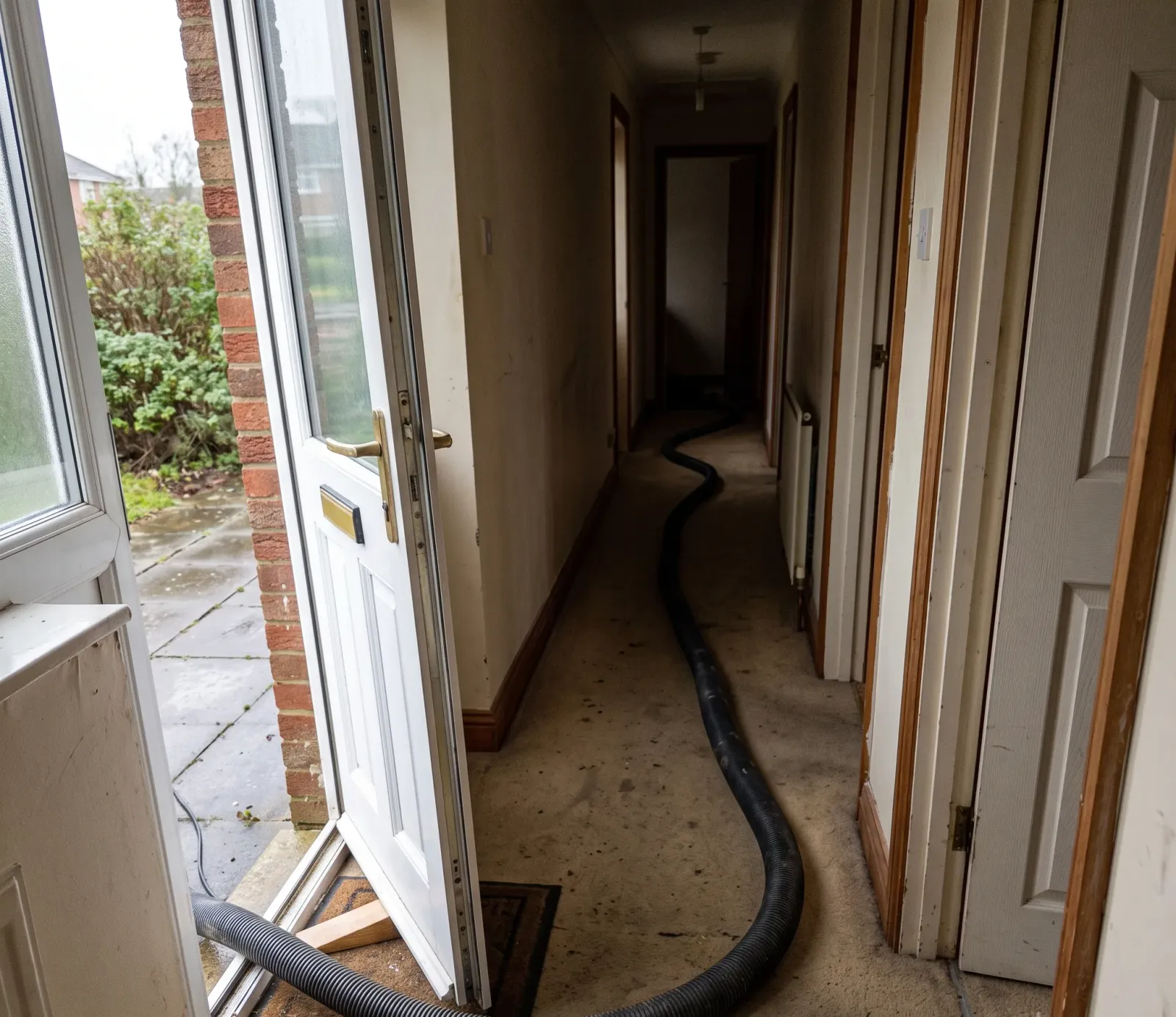
Emergency Response Time
A Tennessee water extraction arrival estimate depends on current availability and your location. Learn what to report, what to ask, and how to track changes while waiting.
Read article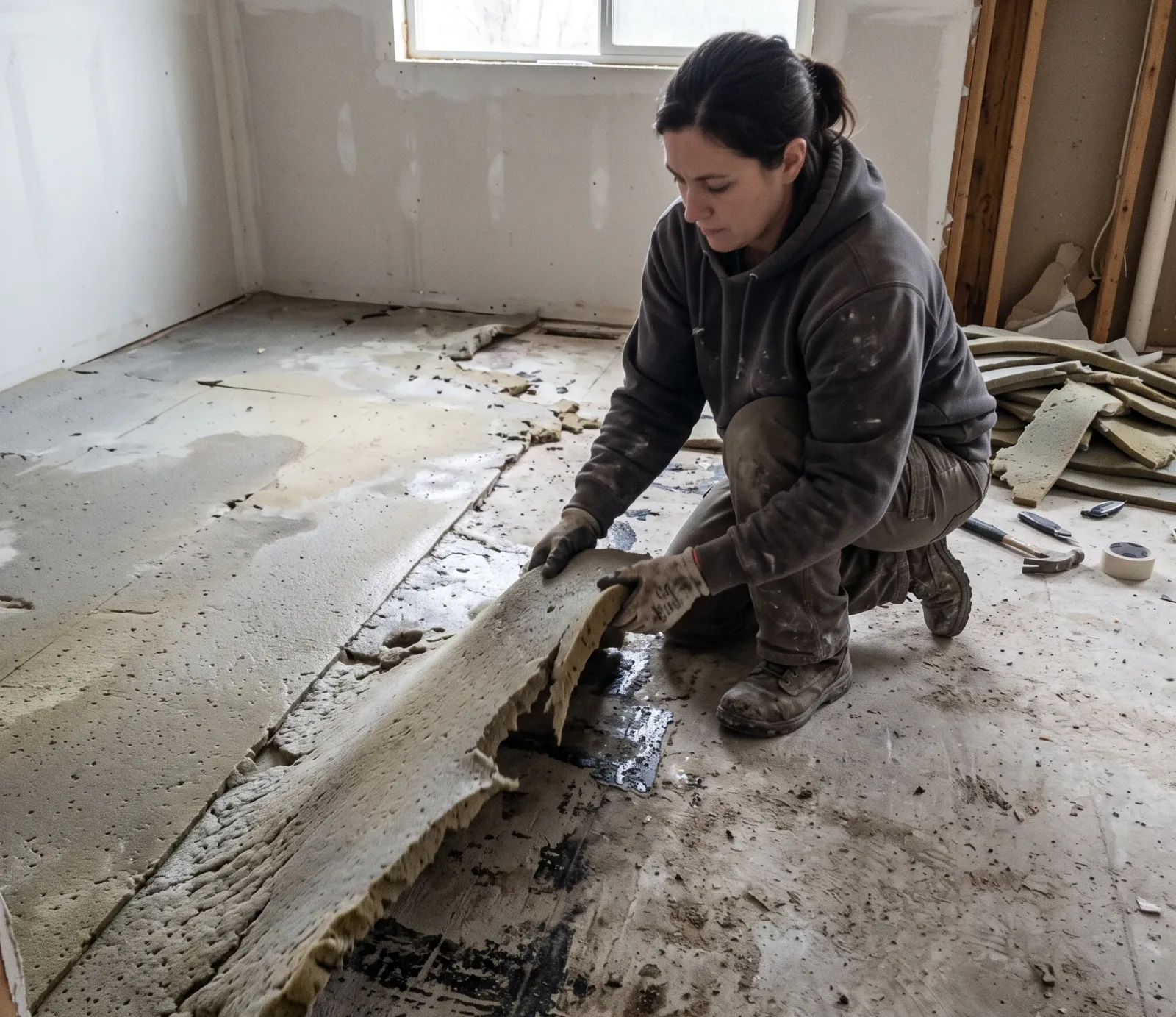
Keep off soaked carpet while pros assess access, pad saturation, and safe extraction
After a hard Tennessee rain, a carpet may darken at the doorway while its center looks ordinary. A damp perimeter, squish underfoot, or water seeping from a seam can mean the pad has taken water too. Homes and small storefronts across North Memphis Frayser and Raleigh, around Cookeville Performing Arts Center, and near Founders Park at Campbell Station can face rain, stream overflow, or overwhelmed drainage. Wet outlets or appliances mean entry should stop. The pros we connect you with check safe access, visible pooling, carpet edges, and pad reach before choosing an extraction approach.
Once the area is safe, the pros we connect you with can trace wet carpet room by room and note blocked edges, furniture, and access. In a small shop, shelving may limit reach; at a rural home, equipment staging can take more planning. Those details affect the written scope and time involved. Accessible pooled water can be removed with extraction equipment. If water reached the pad, carpet water extraction may need a separate carpet pad extraction step. Ask what handling is included before work begins.
Tennessee flood guidance covers rain, waterways, and drainage; in Tennessee and Afton, Alamo and Adams, Carpet and Pad Water Extraction relates to water found inside, while Fort Donelson National Battlefield is geographic context, not a property-risk measure.
When a household living space is involved, residential emergency water extraction is the relevant guide; commercial emergency water extraction serves owners handling water removal in rental or commercial buildings.
A footprint that stays pressed into the pile, or a carpet that feels unusually dense, can point to water beneath the visible fibers. The pad may be holding water even when the surface no longer shines. Keep people off the area where practical and tell the pros we connect you with how far the softness extends. A musty odor can be another clue that moisture has reached parts of the carpet that are not visible.
Watch the carpet where it meets a doorway or wall. A seam that curls, a damp threshold, or a strip that feels different from the room can mark water’s path under the carpet. Do not pull the edge yourself if the water source or floor condition is uncertain. Share the affected rooms and visible boundary when arranging an assessment, so the scope can account for areas beyond the obvious wet patch.
A sour smell or a stain that returns after blotting may mean water remains below the carpet surface. Neither clue tells you how much reached the pad. If the water might contain sewage or chemicals, say so before anyone starts; that cleanup needs a separate scope. Stay clear of standing water where electrical hazards or structural damage may be present, and follow local emergency guidance.
They check for electrical or structural hazards first, then mark the wet carpet boundary and note blocked edges that affect safe access.
They remove accessible pooled water with suitable equipment, then check whether water appears to have passed through the carpet backing.
If the pad may be wet, they explain whether lifting an accessible carpet edge is needed and what pad handling the scope includes.
After extraction, the licensed pros we connect you with review the affected carpet with you.
Carpet hides the pad beneath it, so a room may appear better after pooled water is removed while the cushion remains wet. Homes across Tennessee differ in room layout and access, which changes how much carpet edge a provider can reach. Extraction addresses water that can be removed from the affected carpeted area. Ask what moisture assessment and drying follow-up may be needed; removal alone does not confirm dry materials.
For Tennessee work, ask for a written scope that names the carpeted rooms, accessible water removal, and any proposed carpet or pad handling. Ask who will document any carpet or pad handling that falls outside the written scope. Do not treat extraction as a repair to the leak or as mold remediation, sewage cleanup, or rebuilding. If water quality is uncertain, tell the provider before work starts so the work can be scoped safely.
A property's own history of flooding can help inform future water protection decisions. A postal address or nearby stream cannot settle that question on its own. For the extraction visit, focus on immediate conditions: whether water is still entering, whether the route is safe, and which carpeted areas are wet. Keep photos and the written work record for your insurer; coverage depends on your policy.
Note the signs you have seen so the licensed pros we connect you with can discuss what may need attention.
| Entry Point | Pump-Out Work | Next Drying Steps |
|---|---|---|
| Floor Patch | Standing water pickup from exposed flooring in one affected space | an estimated $400–$2,000 |
| Room Interior | Visible pooling gathered from reachable surfaces in the affected space | an estimated $460–$2,600 |
| Room Cluster | Pooled water removed from the specified, accessible work area | an estimated $400–$2,000 |
| Building Interior | Open-floor extraction of visible water within the listed area | an estimated $960–$8,000 |
A house near Nashville State Community College may look dry after visible water is gone. In Tennessee, moisture assessment can identify materials that need added drying equipment. Ask whether those steps and longer-lasting replacement options are included in the written scope. The full pricing guide describes how added work affects cost.
The pros we connect you with first check that the area is safe and identify where pooled water is accessible. Ask how they identify water that may be hidden below the carpet surface. If water passed through the backing, they can explain whether an edge must be lifted for carpet pad extraction and whether that handling is included in the written scope.
A carpet can feel spongy, cling to your shoes, or resist lying flat when water has reached the pad. Dampness at a doorway or a lingering odor may offer more clues. These signs cannot measure what remains below. Keep foot traffic off the wet section where practical, then describe the rooms and how far the water spread when arranging an assessment.
Whether the carpet or pad can stay depends on the water, how long it was present, and the condition of each layer. A provider may need access at an edge to see how the backing and pad were affected. Ask what can be evaluated during extraction and what would require separate handling. Appearance alone cannot establish that either layer is dry or suitable to keep.
The estimate may depend on whether carpet can stay in place, whether an edge needs lifting, and whether soaked pad needs separate removal. The pros we connect you with can explain the planned carpet water extraction and carpet pad extraction before starting. Ask what could change that approach once the pad is accessible. Removing pooled water is the extraction work; moisture checks and drying are separate follow-up steps.
No. Extraction removes reachable standing water, but moisture can remain in the pad or nearby materials. Ask whether the moisture assessment covers the pad and nearby materials, as well as the visible carpet. Ask whether those steps are included or arranged separately, and request a written record of the extraction work. Source repair and rebuilding are separate services.
From a dry doorway, note which threshold water crossed and where the damp edge ends. Share that path when arranging an assessment, rather than testing the carpet by stepping on it. This gives the pros we connect you with a boundary to check without tracking water farther across the pile. Also report whether water came from a drain or may contain chemicals; contaminated-water handling is a separate scope.
Use $700–$1,400 as the estimate basis for emergency water extraction. Some water can remain below the surface of porous materials even after standing water is removed.
A written record of water removal and remaining concerns can help you share details with your insurer.
A Tennessee water extraction arrival estimate depends on current availability and your location. Learn what to report, what to ask, and how to track changes while waiting.
Read article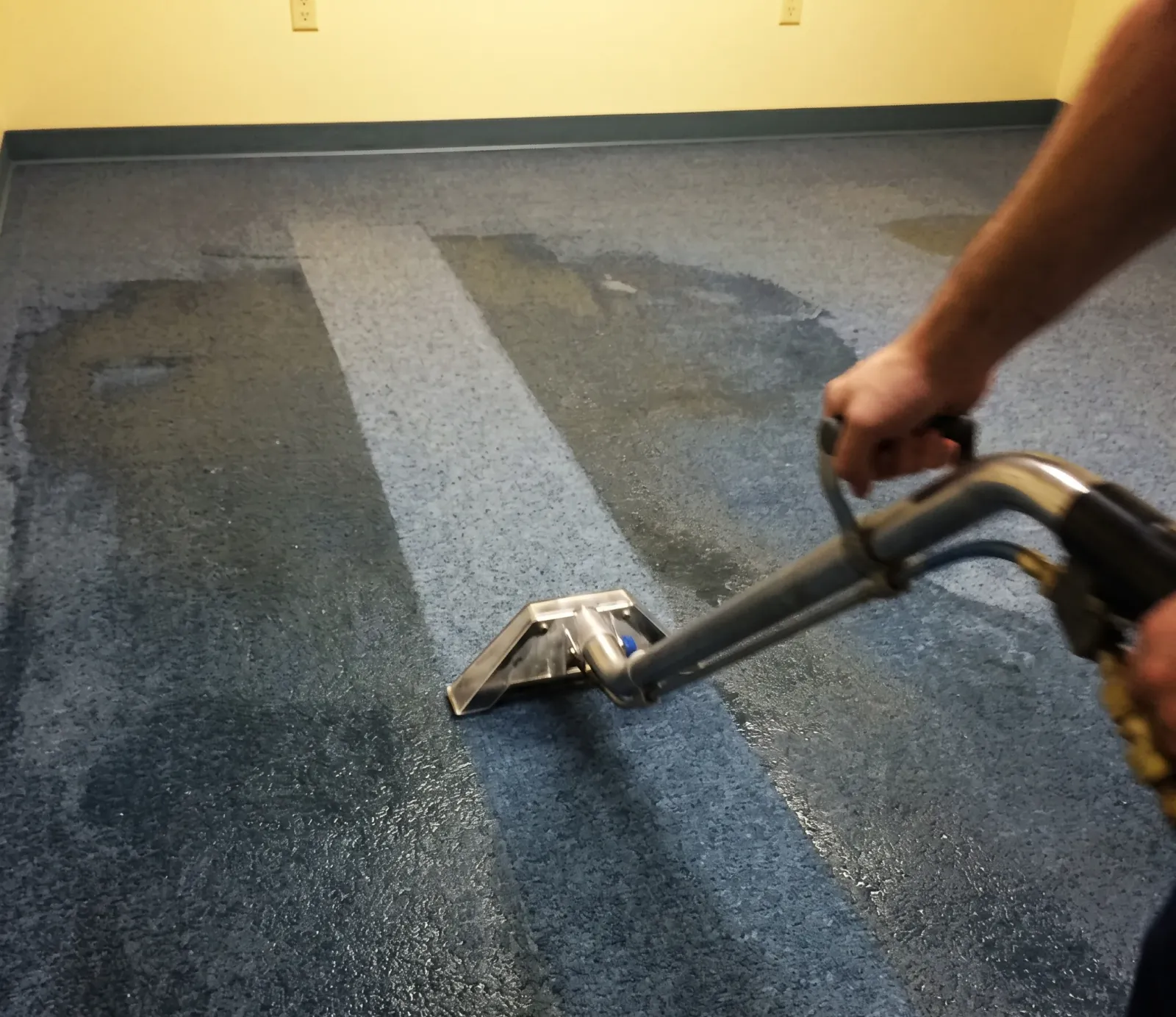
How long does emergency water extraction take in Tennessee? Learn how seasonal rain, water volume, and access affect removal duration, and what to ask local pros.
Read article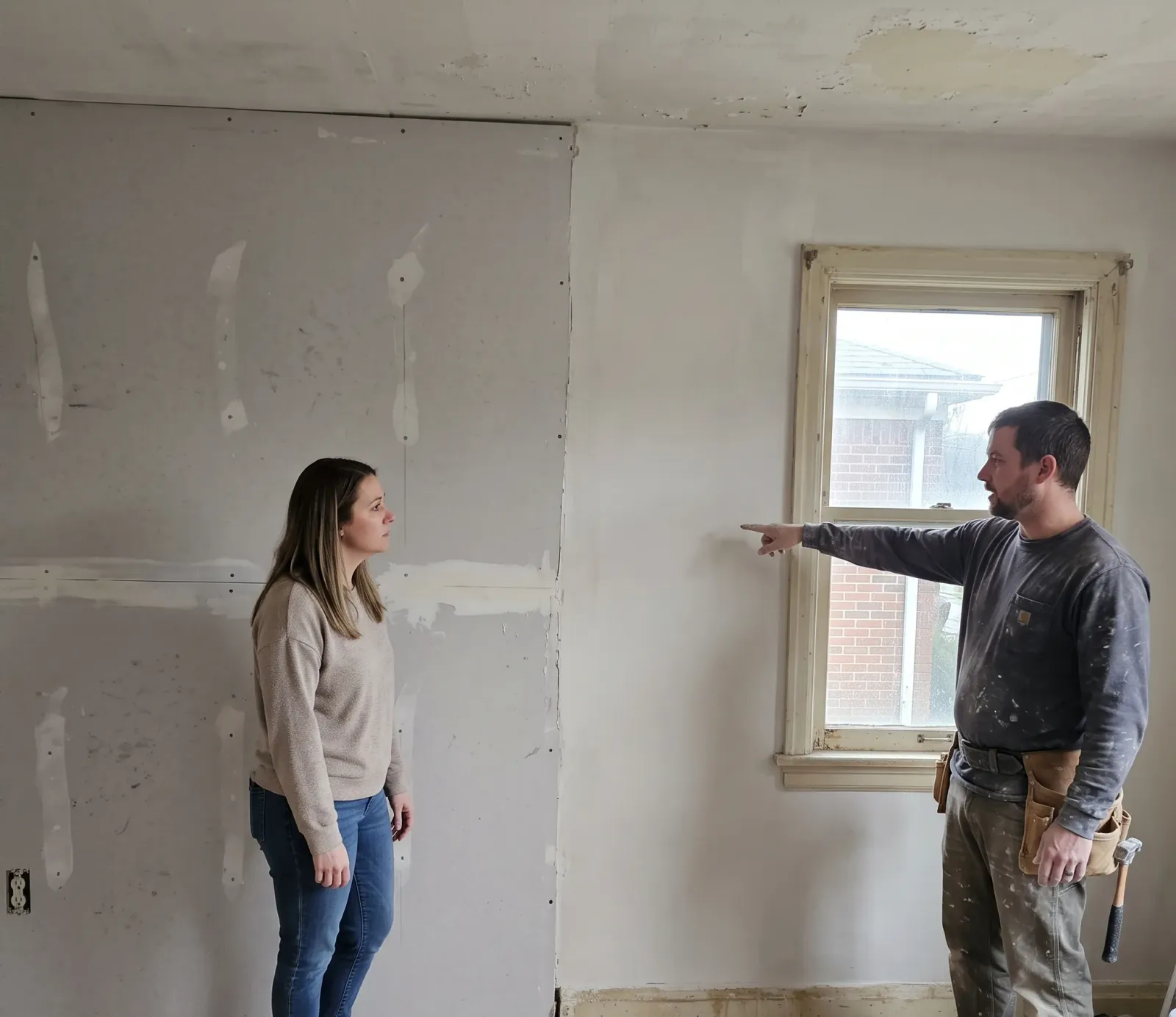
Learn when standing water makes walking unsafe, which visible warning signs to note, and what to share when you ask for a safe professional assessment.
Read articleAfter water reaches a Tennessee property, the wettest-looking spot may not show how far moisture traveled. At a shop, water may cross a back room; at home, it may collect along a wall. Describe what you can see and how the intrusion began. Note whether belongings or equipment were in the affected area before cleanup begins. Check their availability, visit fees, and timing as you discuss next steps.
Call (615) 281-3628