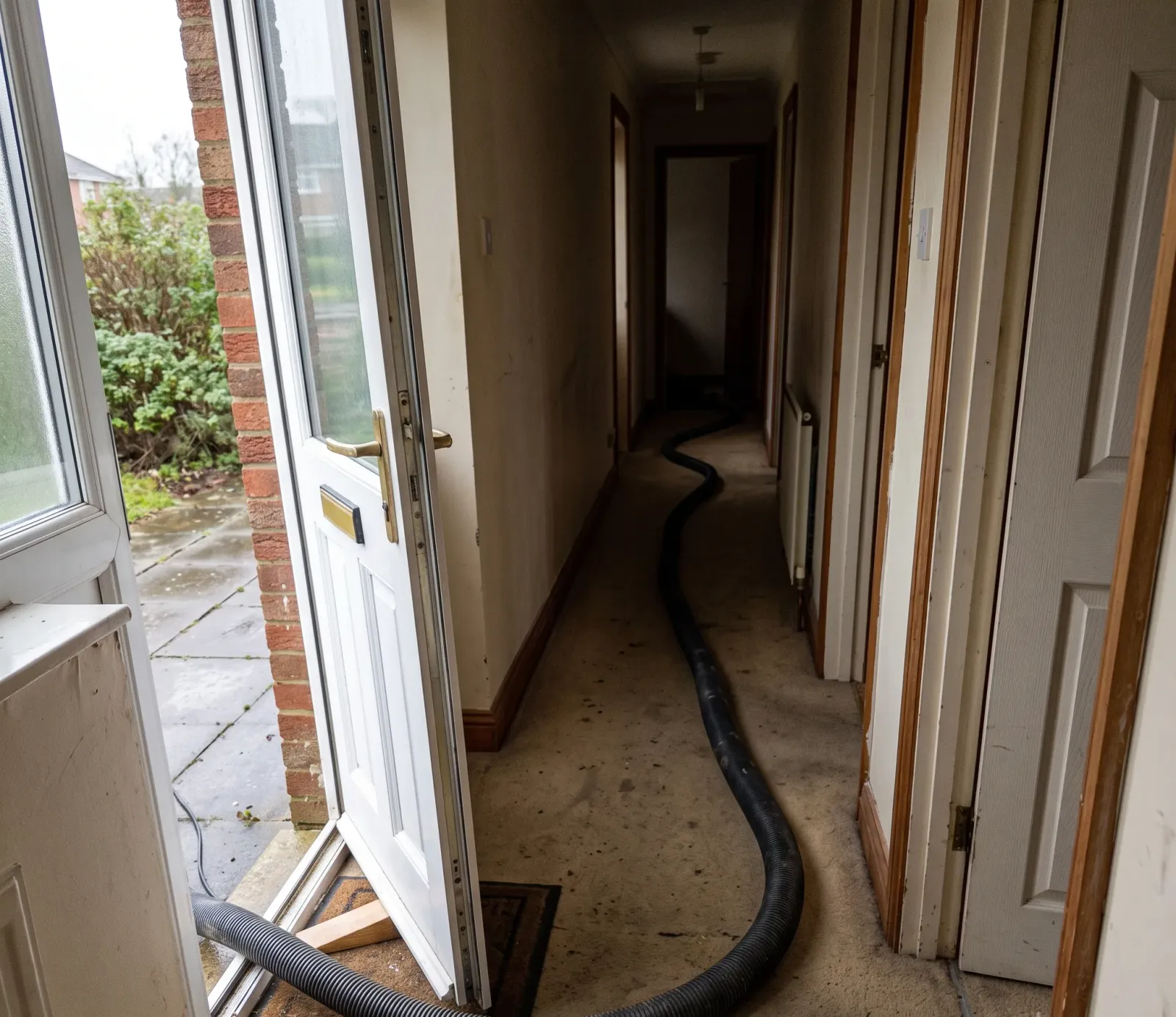
Emergency Response Time
A Tennessee water extraction arrival estimate depends on current availability and your location. Learn what to report, what to ask, and how to track changes while waiting.
Read article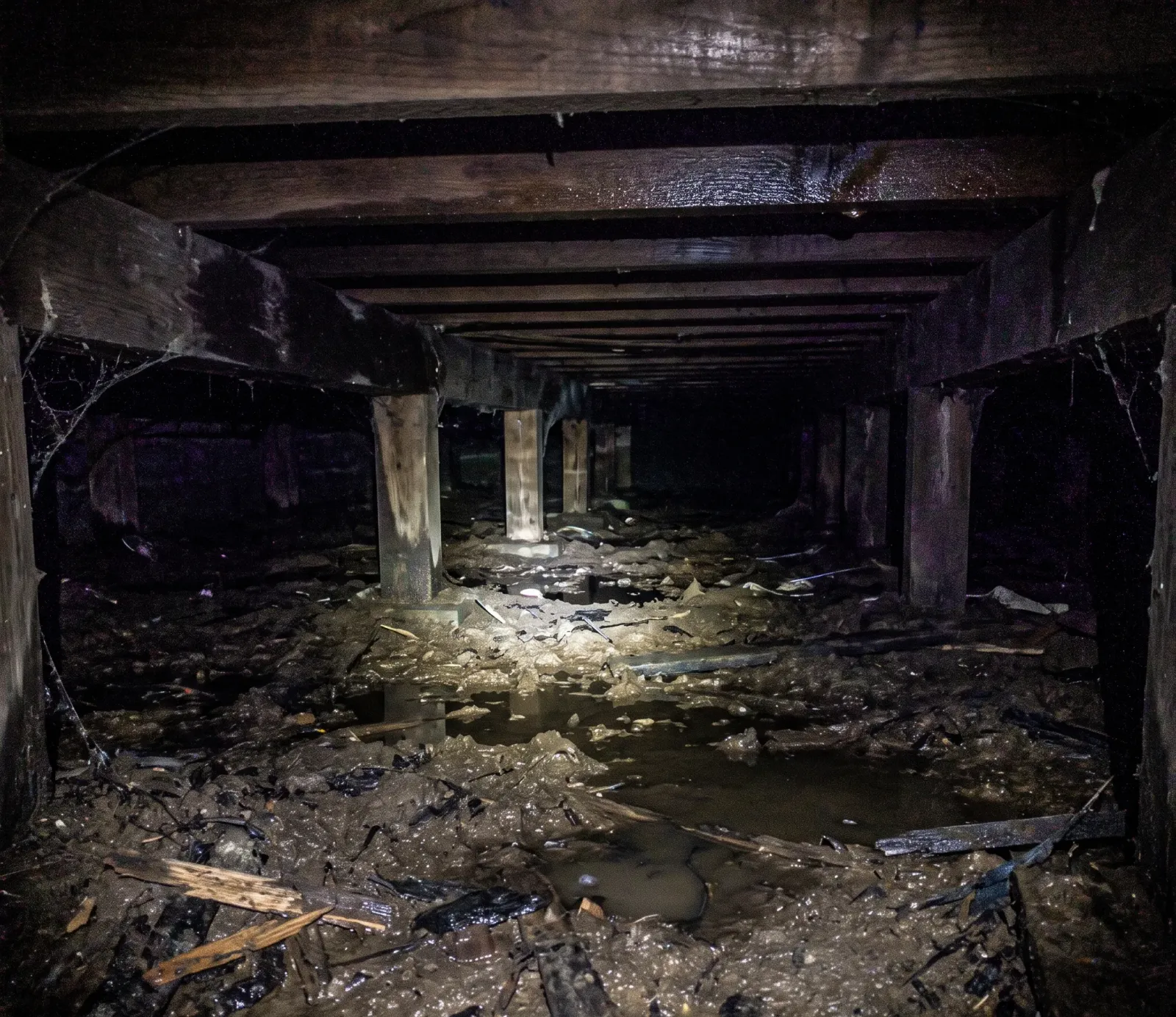
A clear sequence for checking access, water, safety, and removal
After a night of hard rain, you may find standing water beneath the floor while the rooms above seem unchanged. A view from the hatch may reveal only the portion of the space near the opening. Crawl spaces differ in height, entry size, and layout. Across places such as the Cumberland Gap Historic District, Hiwassee Scenic River State Park, and Arnold Engineering Development Complex, the practical question is the same: can someone reach the pool safely and remove it?
The pros we connect you with begin by checking the hatch, overhead clearance, visible pool, and nearby utilities. Each check narrows the work: a tight opening may limit equipment, while water beyond a low beam may take longer to reach. In Tennessee, travel between urban, small-town, and rural addresses can also shape scheduling; no arrival time is guaranteed. A photo from a safe position may show the entry and visible pool. Keep out if access or utilities may be unsafe.
Tennessee flood guidance covers rain, waterways, and drainage; in Tennessee and Alamo, Adams and Adamsville, Crawl Space Water Extraction relates to water found inside, while Fort Donelson National Battlefield is geographic context, not a property-risk measure.
For a residence, residential emergency water extraction describes household service; commercial emergency water extraction points landlords and business operators to information about water removal in buildings they manage.
A damp odor near the floor after rain can lead you to check the crawl-space hatch. The visible pool may sit beyond the hatch’s reach. In Tennessee, crawl-space layouts vary from house to house. Describe the smell and any visible pooling when arranging an assessment. A safe view from outside helps frame the first check. Leave the hatch closed if opening it could expose you to unsafe wiring, unstable ground, or a confined entry.
A hatch that barely clears the framing can turn a small pool into a difficult removal. Low joists, pipes, or stored items may narrow the route and limit where equipment fits. You can report those obstacles without crawling beneath the house. In Tennessee, the pros we connect you with need to know whether access is direct or obstructed before they can define the work. Do not move heavy items or squeeze through a tight opening to improve the route.
Water near wiring, an outlet, or equipment changes the first concern from removal to safety. Do not touch a wet utility or enter to inspect it. Visible water may not show whether utilities are affected farther into the space. Include any visible outlet, appliance, or wiring near the water in your description. In Tennessee, those details help determine whether the crawl space can be approached and whether a different cleanup scope is needed.
The hatch, overhead space, nearby utilities, and visible pool are checked first to decide whether entry is safe.
The route, pool location, and clearance guide equipment selection and clarify likely labor and timing.
After the method is chosen, accessible pooled water is collected while obstacles and unsafe areas remain outside the work scope.
The provider records the areas addressed and any access limits, giving you a clear basis for separate follow-up work.
On a wet day in Tennessee, the hatch may show only a small part of the crawl space. Water farther inside can be hard to reach from that opening. Clearance and the route matter because a pump or wet vacuum must fit through the accessible path. When you call, describe what you can see from outside and whether utilities nearby look affected. That helps the pros we connect you with judge what is reachable and whether the area appears safe to approach.
Tennessee emergency guidance names heavy rain, overflowing waterways, and poor drainage among flooding pathways. That statewide context makes pooled water a practical concern in city, small-town, and rural homes, without establishing what happened at a specific property. The Cumberland River Bicentennial Trail and Tennessee Walking Horse National Celebration are examples of places within the state’s varied settings. For your home, describe the actual entry and water conditions rather than relying on a regional label.
In Tennessee, pooled water under a home calls for a careful look before removal starts. Describe the crawl-space entry when arranging an assessment. The same checks apply near North Memphis Frayser and Raleigh, and near Great Smoky Mountains National Park. Homes around Cookeville Regional Medical Center need them too. Share the opening size, clearance, and where water is visible. The pros we connect you with can check the route, note utility or contamination concerns, then choose a pump or wet vacuum suited to reachable areas. If access or utilities seem unsafe, stay out. Moisture checks and drying may follow removal as separate steps.
Note the signs you have seen so the licensed pros we connect you with can discuss what may need attention.
| Impact Boundary | Pooled Water Cleared | Post-Removal Drying |
|---|---|---|
| Floor Patch | Open-surface water collection within the estimate’s defined area | an estimated $800–$1,600 |
| Room Interior | Pump removal of pooled water from accessible interior floors | an estimated $920–$2,080 |
| Room Cluster | Accessible surface pooling cleared from the affected interior section | an estimated $800–$1,600 |
| Building Interior | Standing water removal from reachable flooring in the work area | an estimated $1,920–$6,400 |
A Tennessee business near Hatchie National Wildlife Refuge may find water across several rooms. More affected spaces can call for a broader removal plan, while drying equipment adds another cost. Ask how durable replacement choices change the written scope. The full pricing guide walks through these cost factors.
Cost depends on the pool’s size and reach, the hatch opening, and obstacles beneath the floor. A clear route may simplify setup, while low clearance or distant water can add work. The estimate can separate water removal from later drying work. No price or insurance outcome can be assumed before the property and scope are reviewed.
A narrow hatch may limit the size of equipment that can be brought inside. A pump can move water across an open section; a wet vacuum can suit smaller pools or tighter spots. The pros we connect you with can choose after checking the entry and reach. Equipment choice alone does not establish whether the crawl space is dry afterward.
Depth alone cannot predict the time. The size of the pool, distance from the hatch, low framing, and obstacles all affect setup and removal. A clear opening can make access simpler, while water beyond a narrow passage may take longer. Water beyond the initial line of sight may affect the time estimate.
Share the property address, hatch dimensions if you know them, and whether wiring or utilities may be affected. Mention any concern about sewage or chemicals before work is planned. You can describe the visible water from a dry, stable spot; there is no need to enter for a closer look. A photo can show the hatch route or visible utilities without requiring entry.
Keep out of the crawl space if standing water may be near wiring, outlets, or appliances. Do not touch wet equipment or step into water to investigate. If the hatch is unstable or the entry is too tight, wait for qualified help. Tell the provider about the concern from a safe position so the approach can be assessed before removal begins.
The provider should document what water was removed and which areas were accessible. Ask for that record in writing, including any part left out of scope. The record can note whether water remained beyond the reachable area. Repairs to the source, mold remediation, sewage cleanup, and rebuilding also require separate scopes.
For planning, $700–$1,400 covers the estimate basis for emergency water extraction. The amount can change with water volume, affected materials, access, and scope; the pros we connect you with confirm the figure.
Pumps and wet vacuums clear pooled water, while affected rooms shape the removal work.
A Tennessee water extraction arrival estimate depends on current availability and your location. Learn what to report, what to ask, and how to track changes while waiting.
Read article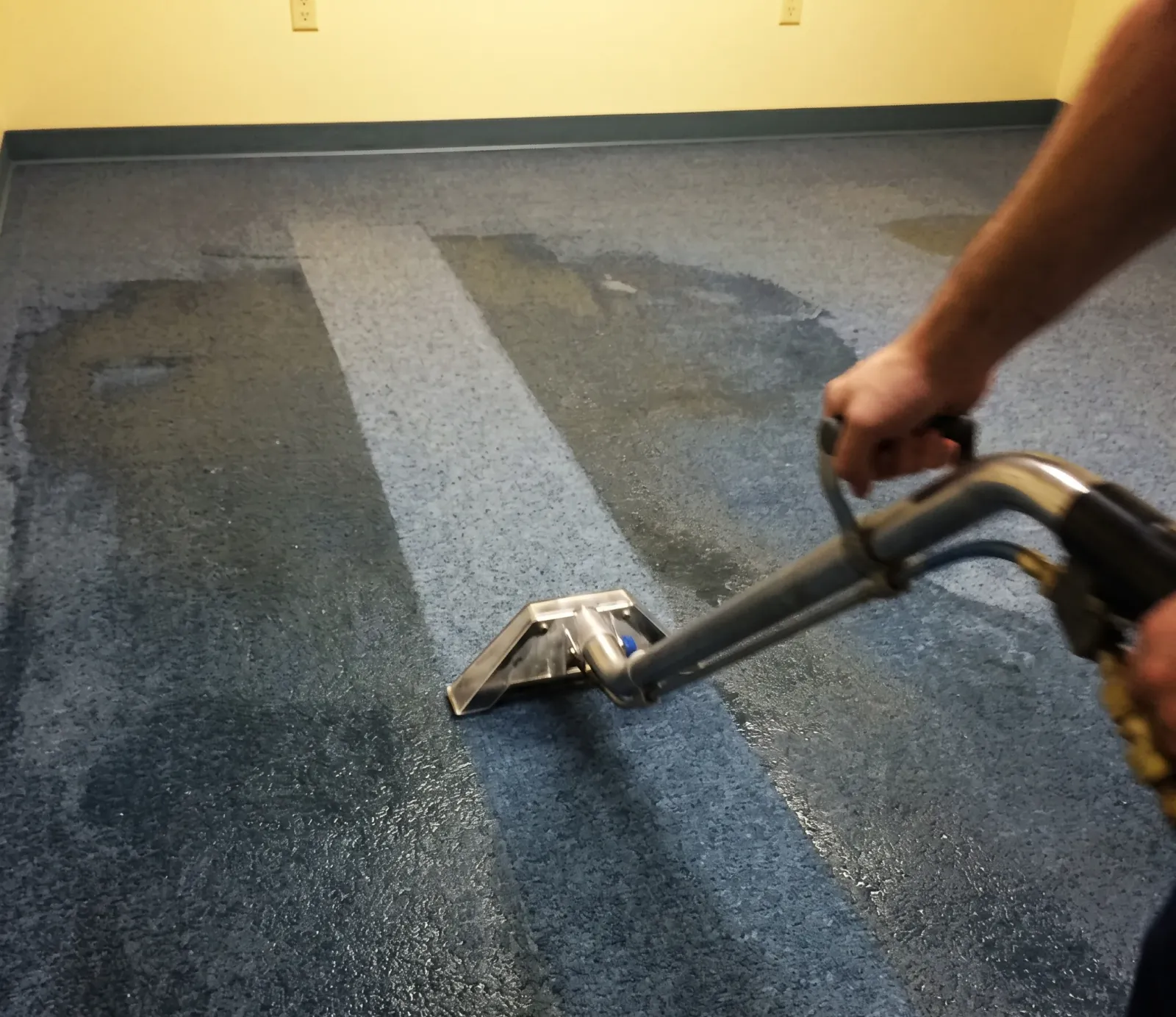
How long does emergency water extraction take in Tennessee? Learn how seasonal rain, water volume, and access affect removal duration, and what to ask local pros.
Read article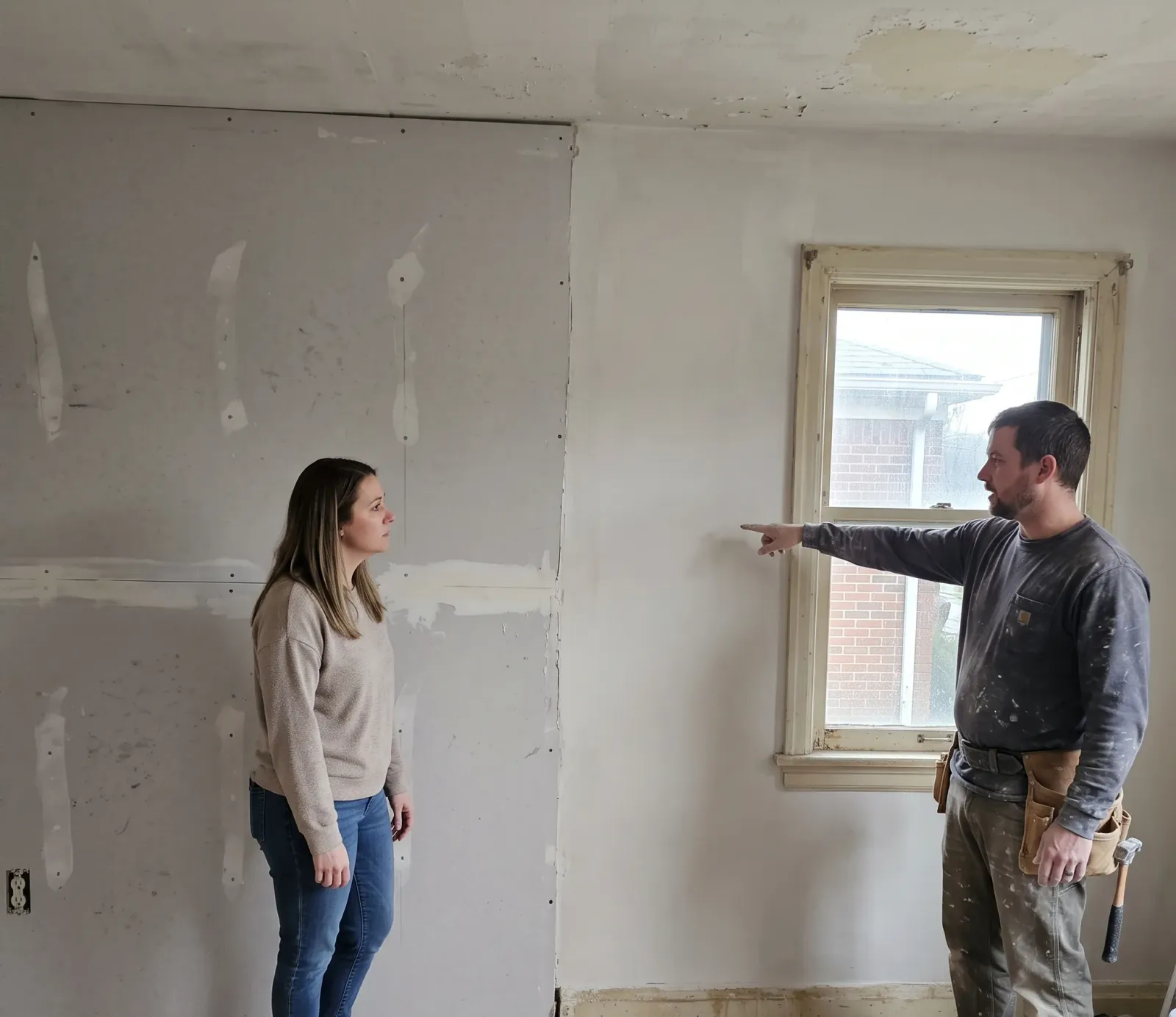
Learn when standing water makes walking unsafe, which visible warning signs to note, and what to share when you ask for a safe professional assessment.
Read articleAfter water reaches a Tennessee property, the wettest-looking spot may not show how far moisture traveled. At a shop, water may cross a back room; at home, it may collect along a wall. Describe what you can see and how the intrusion began. Note whether belongings or equipment were in the affected area before cleanup begins. Check their availability, visit fees, and timing as you discuss next steps.
Call (615) 281-3628