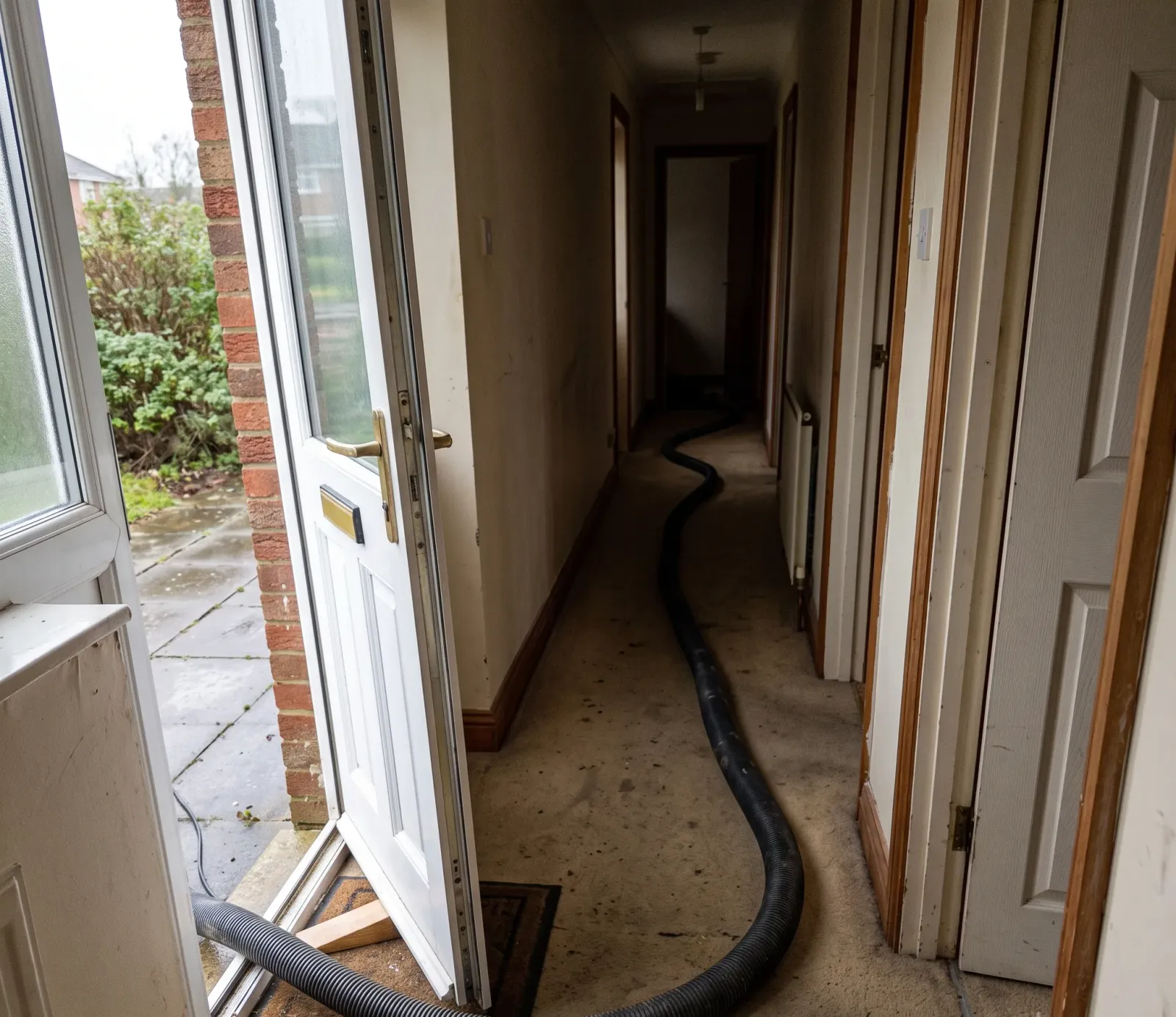
Emergency Response Time
A Tennessee water extraction arrival estimate depends on current availability and your location. Learn what to report, what to ask, and how to track changes while waiting.
Read article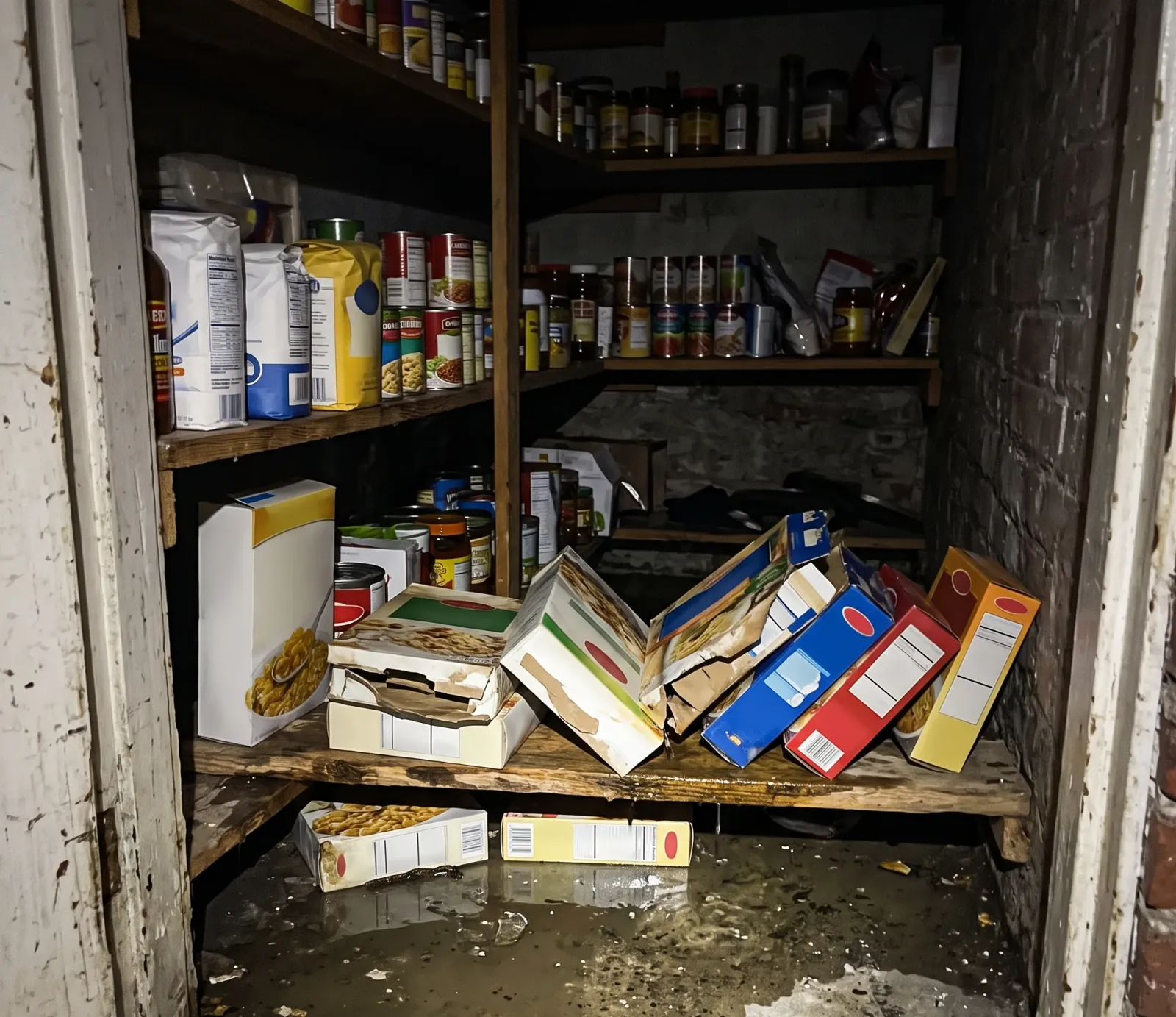
A clear sequence for safer basement entry, pumping, and moisture follow-up.
After heavy rain, water may collect in a Tennessee basement through seepage, plumbing leaks, or overwhelmed drainage. A damp line across a stair tread or water gathered around stored boxes can make the room hard to use. Flooding can happen in communities across the state, but nearby waterways do not determine a home’s risk. From the Cumberland River Bicentennial Trail to the Great Smoky Mountains National Park, the settings differ. A property’s condition and the water’s source shape the next step.
The pros we connect you with begin by reviewing the water level, affected areas, and any known source. In Tennessee, basement stairs, narrow turns, or a long equipment route can affect the pump setup and work time. The amount of water and whether it keeps arriving also shape the estimate. Water that reaches stored items may leave them damp after the pools are removed. A moisture check and drying may follow as separate work.
Tennessee flooding can also follow poor drainage. For Tennessee and Adams, Adamsville and Afton, Basement Water Extraction focuses on standing water indoors; Hatchie National Wildlife Refuge is context, not proof of risk at an address.
For a residence, residential emergency water extraction describes household service; commercial emergency water extraction points landlords and business operators to information about water removal in buildings they manage.
Boxes with damp lower edges or a wet line on the stairs can show where water has reached. A musty odor can suggest that dampness remains after visible water has receded. Do not move items through standing water to inspect hidden areas. Share those observations during the assessment. They help clarify which accessible areas need water removal and where the provider should look next.
A basement light that flickers, an outlet near the water, or an appliance sitting in a pool signals a possible electrical hazard. Keep people and pets away. Water can conceal cords or other electrical hazards from view. Keep wet appliances unused until their electrical safety is checked. Pumping should wait until the area is judged safe to enter.
If water rises again after it was removed, more may be entering the basement. Water can leave floor coverings damp after the visible pool is gone. Tennessee flooding can follow heavy rain, poor drainage, or overflowing waterways. Extraction clears accessible standing water, but an active source needs separate attention. The assessment can help establish what water removal can address at that visit.
From a dry place, share the address, visible water depth, affected areas, and any known source to help plan the assessment.
The provider reviews hazards and the route downstairs before entry; uncertain electrical or structural conditions require qualified guidance.
In Tennessee, after safe entry is confirmed, the pros we connect you with remove reachable standing water, clearing visible pools before later moisture checks.
Once accessible water is removed, arrange a separate moisture check; drying may be needed for damp materials.
Basement layouts differ across Tennessee, and not every home has one. Water can collect below stairs, around utility equipment, or behind stored belongings, where a clear view is difficult. At the Tennessee College of Applied Technology and other statewide settings, nearby landmarks do not describe a particular home’s construction. The provider needs to assess the actual access route and standing water before choosing equipment.
Tennessee directs property owners to FEMA flood maps and their community floodplain administrator for address-specific flood questions. A ZIP code or nearby landmark cannot establish a home’s flood status. TEMA notes that flooding can occur outside mapped high-risk areas, too. Check the address if you need floodplain information; that lookup is separate from assessing the water in your basement.
For a basement water removal estimate, ask what rooms and accessible pools are included, what may change the scope, and how added work will be discussed. Depth, spread, equipment access, and ongoing inflow can affect the job. Confirm whether a moisture check is included in the estimate or handled as separate work. Coverage depends on your policy, so confirm it with your insurer.
Ask the licensed pros we connect you with what signs to watch for after the activity has been addressed.
| Impact Boundary | Pooled Water Cleared | Post-Removal Drying |
|---|---|---|
| One Corner | Open-surface water collection within the estimate’s defined area | an estimated $700–$1,400 |
| Room Portion | Pump removal of pooled water from accessible interior floors | an estimated $805–$1,820 |
| Room Sequence | Accessible surface pooling cleared from the affected interior section | an estimated $700–$1,400 |
| Several Levels | Standing water removal from reachable flooring in the work area | an estimated $1,680–$5,600 |
In Tennessee, a home near Founders Park at Campbell Station may need source repairs after extraction. Cleanup and rebuilding can also expand the project. Request a written breakdown that separates those tasks from water removal and lists any durable material upgrades. The full pricing guide explains the cost factors.
After flooding in Tennessee, stay out if basement outlets, appliances, or wiring may be wet. From dry ground, note the water depth and any known source. Arrange an assessment before entering. Once safe entry is confirmed, the pros we connect you with can remove reachable standing water. A waterline on stairs or walls can help show how far it spread. These first steps apply near the Tennessee Walking Horse National Celebration, Great Smoky Mountains National Park, and Cross Creeks National Wildlife Refuge. Moisture assessment and drying come afterward.
Avoid entering until the basement is assessed as safe. Water near wiring, outlets, or appliances can create an electrical hazard, and damage may not be visible. Keep people and pets away from the affected area. From a dry location, note what you can see and seek qualified help if electrical or structural safety is uncertain.
Basement water removal focuses on accessible standing water in affected areas. A tight stairway or blocked route can change how equipment reaches the basement. Ask what the estimate includes and how changes will be handled. No price can be determined without assessing the specific job.
From a dry, safe place, note the visible water depth, affected rooms, and any source you know about. Describe the stairs, doorways, and route to the basement. You can also mention whether the level is changing. These details help the provider plan the assessment without asking you to enter the water.
The amount and depth of accessible water guide the choice. A pump can handle a larger pool; a wet vacuum may work for a shallow amount in an open area. The provider also considers the route and equipment access. Neither method confirms that floors, walls, or belongings are dry afterward.
Share the service address, when you noticed the water, its visible depth from a safe location, and any source you know. Mention if it is rising or returning. Mention whether the water has reached stored items or nearby surfaces.
Emergency water extraction is estimated at $700–$1,400 for the removal visit. Water volume, wet materials, access, and agreed scope affect the total; the pros we connect you with confirm it.
Pumps and wet vacuums clear pooled water, while affected rooms shape the removal work.
A Tennessee water extraction arrival estimate depends on current availability and your location. Learn what to report, what to ask, and how to track changes while waiting.
Read article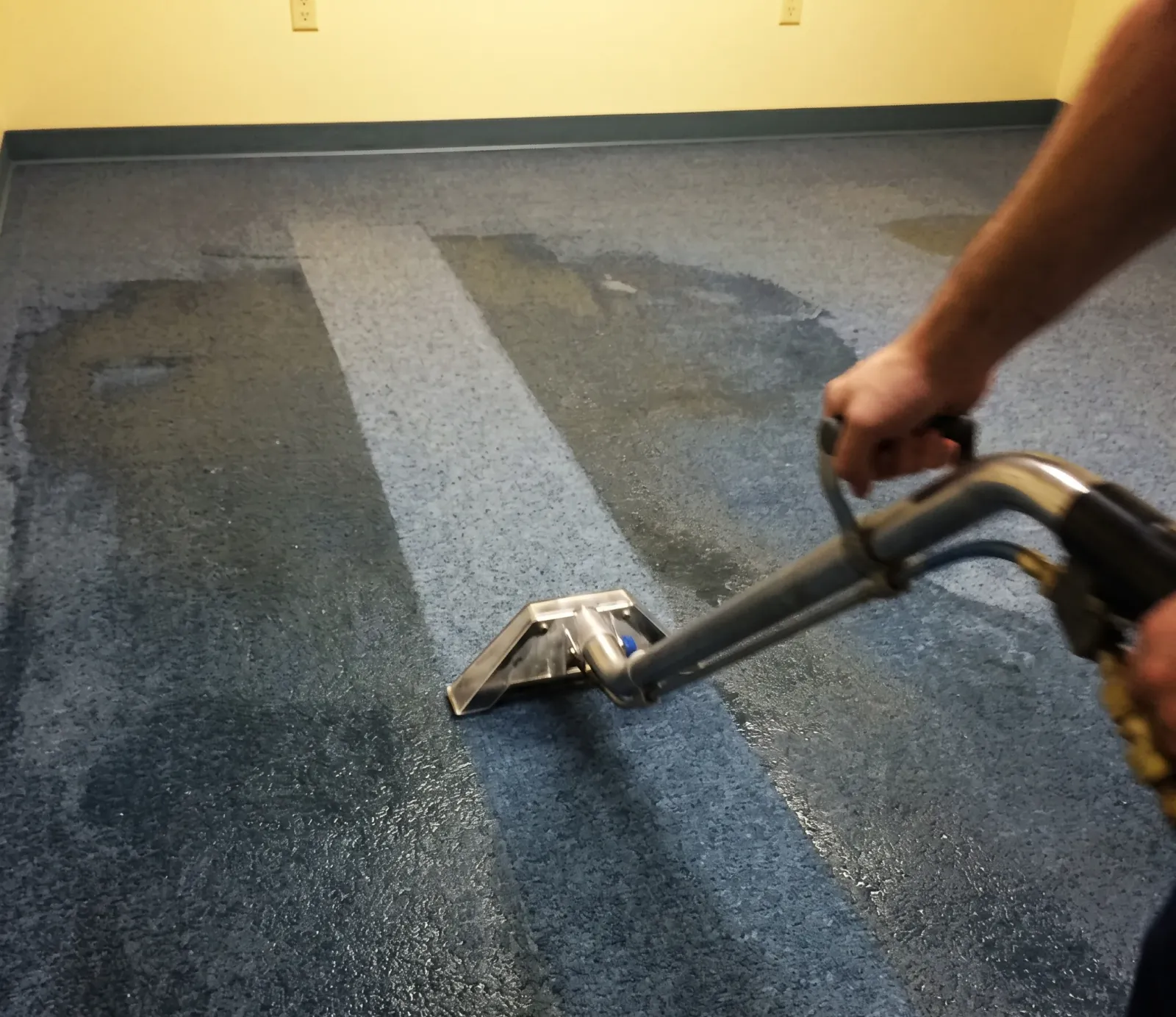
How long does emergency water extraction take in Tennessee? Learn how seasonal rain, water volume, and access affect removal duration, and what to ask local pros.
Read article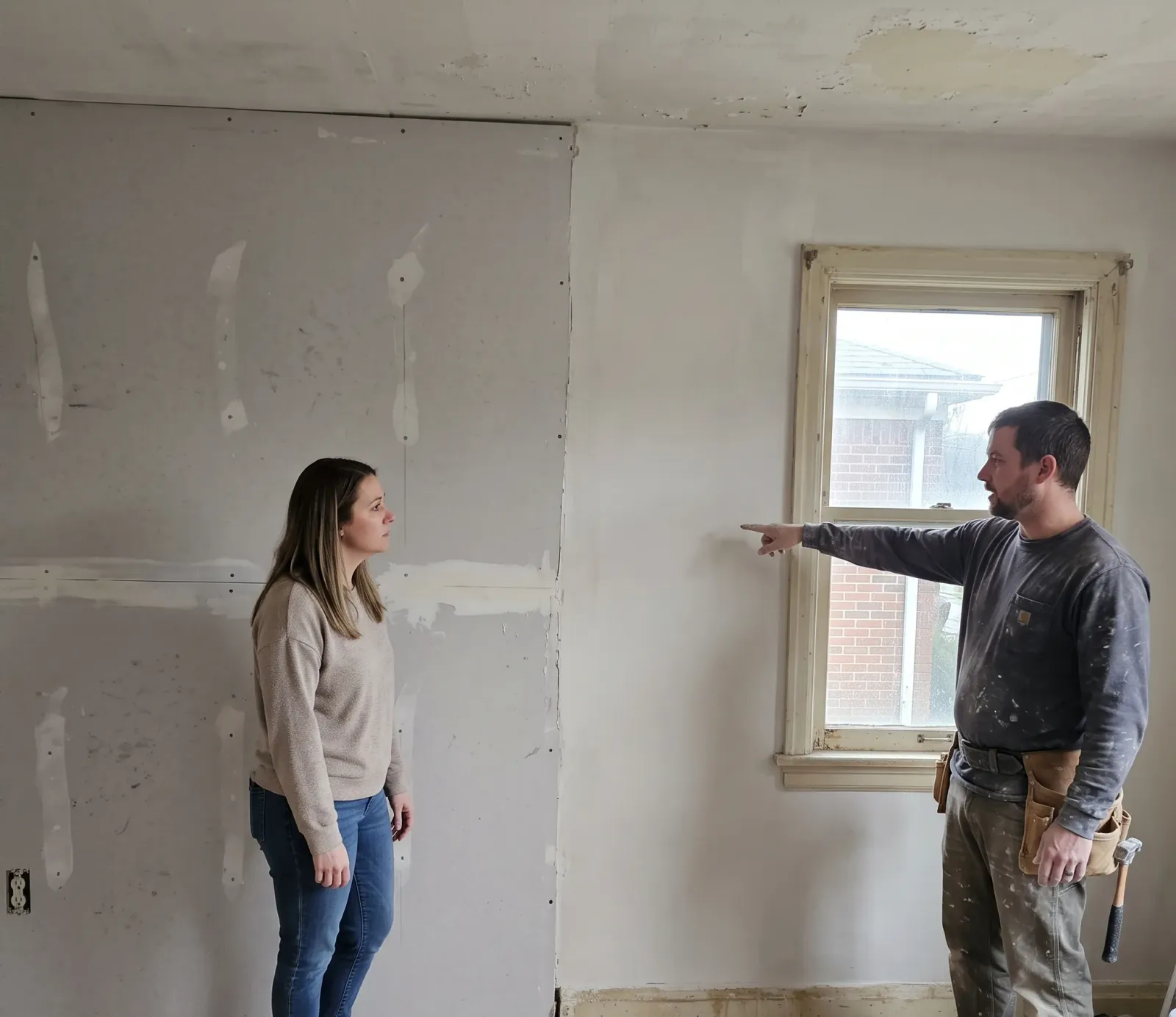
Learn when standing water makes walking unsafe, which visible warning signs to note, and what to share when you ask for a safe professional assessment.
Read articleAfter water reaches a Tennessee property, the wettest-looking spot may not show how far moisture traveled. At a shop, water may cross a back room; at home, it may collect along a wall. Describe what you can see and how the intrusion began. Note whether belongings or equipment were in the affected area before cleanup begins. Check their availability, visit fees, and timing as you discuss next steps.
Call (615) 281-3628