Hotel Water Extraction
Tennessee Hotel Extraction
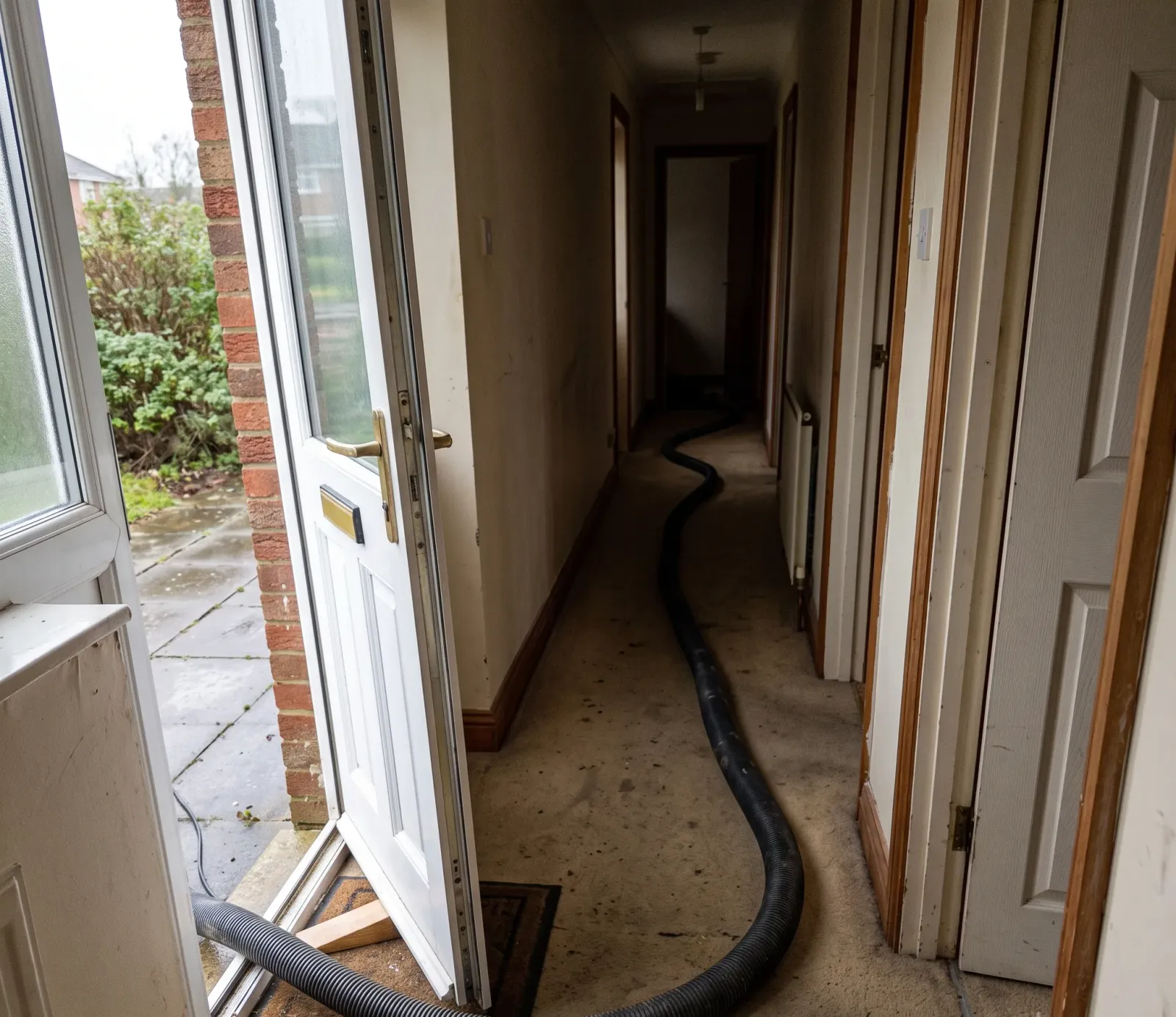
Plan school water extraction around affected spaces, safe access, campus schedules, and follow-up decisions.
Map affected classrooms, corridors, and shared spaces. Keep people away from unsafe water, coordinate approved access with facilities and campus operations, and ask an independent extraction provider to clarify removal scope and follow-up needs.
Water showed up in a classroom after heavy rain, and by opening time it had reached the hall. In Tennessee, a school response works best when staff first agree on which rooms and shared spaces need attention. School water extraction removes pooled water; it does not settle every question about the building afterward. A clear area map gives facilities, campus operations, and the pros we connect you with a shared starting point. Then access, room use, and follow-up can be planned around the actual affected spaces.
Start with a floor plan and mark each place where water is visible. Give rooms distinct names, especially when separate wings use similar classroom numbers. Include the gym, cafeteria, library, and connecting halls only when affected. In Tennessee, campuses can span several buildings, so note which building each mark belongs to. Add where water was first seen and where it appears to have traveled. This helps the pros we connect you with understand the school water extraction scope before facilities arranges access.
A hallway can affect more than one class even when the water began in a single room. Mark shared entrances, stairwells, restrooms, and routes between buildings if water has reached them. Note which groups use those spaces and when they are busiest. In Tennessee, heavy rain, overflowing waterways, and drainage problems can bring water into different kinds of campus settings. Your map should describe what staff observed, without assuming every nearby room is wet. That keeps campus water removal focused on confirmed areas and practical access needs.
Water on the floor near outlets, wiring, or powered equipment changes the first step. Keep students and staff out of that area while electrical safety remains uncertain. Do not walk through standing water to inspect a room. Ask qualified help to assess the hazard and follow local emergency guidance. Tennessee campuses should make the restricted boundary clear to anyone arriving for work. Tell the pros we connect you with about known electrical concerns before they enter. Safe access needs to be settled before emergency school water removal begins.
Choose an arrival route that does not cross wet areas or active student spaces. Tell facilities where visitors should check in and which doors remain unavailable. Identify who can unlock rooms, approve entry, and direct people through the building. In Tennessee, campus access arrangements may differ from one site to another. Keep the instructions specific to the affected building and current conditions. If classes or events are underway, coordinate a workable time and route with campus operations before the extraction provider arrives.
| Space | Entry plan | Campus lead |
|---|---|---|
| School layout | Wet flooring can interrupt lessons and room changes | Mark affected rooms for extraction and access planning |
| Science rooms | Benches and stored materials may limit movement | Flag items staff should secure or leave in place |
| Common-use rooms | Shelving can make floor edges hard to inspect | Identify aisles and collection areas needing restricted entry |
| Protected corridors | Water may disrupt meal service and student movement | Set work timing with campus operations staff |
| Facilities liaison | Open floors may draw classes and activities | Note boundaries and alternate activity locations |
| Area register | Fixed seating can restrict equipment placement | Point out blocked rows and stage-side access |
| Return-to-use steps | Staff records or electronics may occupy the work area | Agree which workstations need an escort or clearance |
| Student commons | Passing traffic can cross wet or restricted floors | Choose a route around active work zones |
Removing pooled water does not complete drying, since materials may still hold moisture afterward. Materials can hold moisture after the surface looks clear. Arrange a moisture check and discuss whether drying equipment is needed before returning the room to normal use. Tennessee weather can bring heavy rain, but the next decision should follow the condition of the affected space. Extraction and drying are separate steps. Keep facilities involved so equipment placement and follow-up fit the room's layout and any continuing school activity.
Fans or drying equipment can occupy the floor and change how a room functions. Before placement, point out desks, teaching stations, and routes people need to keep clear. Ask who will check the space and how facilities should report concerns. In Tennessee, campus water removal may affect rooms with different schedules and uses. A classroom needed for instruction may require a different return plan from a storage area. Agree on who can reopen each space after follow-up, rather than relying on the floor's appearance alone.
A written work boundary helps everyone understand which rooms were included in the removal. Ask the provider to identify any areas that could not be reached or need another visit. Keep this with the campus operations notes for the affected location. In Tennessee, school teams may need to coordinate with people who were not present during the initial response. Clear records support that handoff without turning a room list into a drying assessment. Confirm who will receive updates and who tracks remaining access restrictions.
A wet corridor can disrupt more than the room where water first appeared. Look at how students and staff move between classes, meals, activities, and exits. Facilities can note which routes need to stay open and which rooms must close during removal. In Tennessee, emergency school water removal should fit the campus's actual operating schedule. Share start and stop constraints with the provider before work is arranged. This gives campus operations time to direct people around the affected area and limit avoidable interruption.
Name one campus contact to relay room status and access changes to staff. That person can coordinate with facilities and campus operations as work moves through the affected spaces. For example, a classroom may be unavailable while an adjoining hall remains usable. Make those boundaries easy to communicate. Across Tennessee, school routines vary, so use the schedule and layout of your own campus. Avoid announcing a return time until follow-up confirms the space is ready for its intended use.
When water crosses a doorway, note the threshold and the rooms on either side. Record what staff saw before furniture or supplies are moved, then update the room status as conditions change. Keep these notes with the campus's incident record. In Tennessee, a concise account helps facilities explain the affected area to administrators and the extraction provider. Use plain labels and dates from your own records. The goal is a reliable handoff, not a conclusion about damage that has not been assessed.
Before work starts, ask which standing water removal tasks are included and which concerns need another specialist. An active leak needs separate attention because extraction does not stop its source. Sewage cleanup, mold remediation, and rebuilding also fall outside water removal itself. Photograph affected areas before cleanup begins to keep a record of visible conditions. In Tennessee, keep the agreed scope tied to the rooms and conditions staff identified. That gives the school a clear basis for coordinating any separate work.
Tennessee campuses range from large institutions to smaller district schools, and their layouts differ. Nashville State Community College, Cookeville Performing Arts Center, and Bruceton Special School District are among the named places in the state. Their names alone do not describe a particular water incident or building plan. For your campus, use its street address, building name, and room labels when arranging help. Those details guide the pros we connect you with more reliably than broad regional descriptions or nearby landmarks.
Walk through the response with facilities before contacting an independent extraction provider. Mark observed water, shared routes, safety restrictions, and who can grant access. Then ask what campus water removal would cover, how entry and room coordination will work, and what follow-up the affected spaces may need. Tennessee flooding can follow heavy rain, drainage trouble, or overflowing rivers and streams, but a ZIP code does not establish a property's flood status. Use official map resources and your local floodplain administrator for property-specific flood questions.
Water showed up in a classroom after a storm, then appeared along a corridor. Now facilities staff must define the work area while campus operations manage access and schedules. In Tennessee, school water extraction starts with a clear picture of affected rooms and shared spaces. The Bruceton Special School District, Dyersburg State Community College Covington Campus, and Tennessee College of Applied Technology are distinct institutional settings; each site needs its own access plan. Map the wet areas, note routes and restrictions, then ask the pros we connect you with to clarify removal scope and coordinate follow-up.
Tennessee homes and businesses may need standing water removed; use the linked communities to ask whether the pros we connect you with can consider your property's location, includingAfton, Alamo and Adams. Before arranging a visit, check whether travel adds a fee and request separate written scopes for water removal and any later drying.
The licensed pros we connect you with can note which materials may need removal before the drying plan is finalized. Access to wet rooms and the amount of standing water can shift the scope. A written estimate can also show whether moisture assessment or drying equipment is requested.Commercial estimates can change the equipment and labor list as the wet footprint grows or access narrows. For a useful comparison, make sure each estimate describes the same work areas. When calling, describe the business use, affected materials, and accessible areas.Full Emergency Water Extraction ranges appear in pricing guide; commercial overview shows how affected areas and materials shape commercial work.
Tennessee Hotel Extraction
Medical Facility Removal
Tennessee Restaurant Extraction
First, keep students and staff away from standing water and nearby electrical equipment. If outlets, wiring, or equipment may be wet, wait for qualified personnel to assess safety before entering. In Tennessee, follow local emergency guidance while facilities staff identify which rooms and shared areas are affected. Once safe, record the visible water and any access limits so the school can plan the next steps.
Possibly. Campus operations and facilities staff should decide whether unaffected rooms have safe routes and can function without crossing the work area. Consider shared corridors, accessible entrances, and spaces students need to reach. In Tennessee, schools may need to adjust room use as conditions change. Keep students clear of the affected area, and revisit the plan if the removal boundary expands.
Give the provider the campus address, a facilities contact, and the approved entrance. Identify affected rooms, shared areas, and routes that must stay open. Mention access hours or escort requirements that could affect entry. If the water source is still active, tell facilities and the provider so they can account for it in the response plan. Keep the details specific to that building in Tennessee.
After standing water is removed, ask facilities who will check for moisture in affected materials and how that follow-up will be arranged. A room may need additional attention before it returns to its usual use. In Tennessee, campus operations can coordinate that handoff with facilities and identify who will review each affected space. Keep the next step clear for classrooms and shared areas.
Map affected rooms, entrances, and restricted routes, then ask the pros we connect you with to clarify scope and coordinate access.
Call (615) 281-3628